Platform Tennis Season Is Back: Viking vs. Master Athletics Paddles Explained

Shopping from anywhere in Vermont? Drop the Racquet is at 142 W Twin Oaks Terrace in South Burlington. Reach us at 802-951-2344, or call Tom at 802-310-1660, and we’ll help you find the right paddle for the season.
As fall settles in and the temperature drops, platform tennis courts start buzzing. Often called “paddle,” this is the racquet sport made for crisp-weather play, and a great way to keep moving outdoors through a Vermont winter.
If you’re new to the game or thinking about an upgrade, two leading names you’re likely to hear are Viking Athletics and Master Athletics. Both make serious platform tennis paddles, but they take different approaches to feel and customization. Here’s a friendly guide to help you sort through the options.
First, what is platform tennis?
Platform tennis is usually played in doubles on a compact, raised outdoor court enclosed by high screens. The American Platform Tennis Association (APTA) specifies a 44-by-20-foot court within a screened enclosure. The court is much smaller than a tennis court, and the screens are part of the action: after a ball bounces in, it can rebound off the screen and remain playable.
The equipment is different, too. Platform tennis uses a solid, perforated paddle and a rubber ball covered in flocking, not a strung tennis racquet, a pickleball paddle, or a pickleball. That distinct ball and lively screen play make for longer rallies, quick reactions, and plenty of strategy. Power helps, but patience and placement can win the point.
That’s part of the sport’s charm. It’s welcoming to newcomers, keeps players moving, and gives tennis and pickleball players a fresh set of skills to learn. You can read the official rules and equipment standards on the APTA website.
A natural fit for Vermont fall and winter
Platform tennis was developed for outdoor play in cold weather. Its raised deck and gritty playing surface are designed to support play in inclement conditions, and the screened enclosure helps keep the rally going. Once a match gets rolling, players stay active, and the friendly, social side of the sport is just as much a draw as the competition.
That doesn’t mean every court is safe in every condition. Snow, ice, extreme cold, and strong winds can change what’s playable, so always follow your club’s or facility’s weather guidance. But when the court is open, platform tennis gives Vermont players a reason to get outside long after the summer courts quiet down.
Viking Athletics: a balanced, ready-to-play approach
Viking is one of the best-known names in platform tennis, with several paddle families and different weights and core feels. Its 2025–26 platform tennis catalog describes a Carbon Fiber Stability System (CFS²) intended to blend control, accessible power, stability, and maneuverability.
Viking’s paddle design also focuses on the hitting surface. The catalog describes a two-size hole system, with standard holes in the inner sweet spot and larger holes toward the outside to help with spin. A dual-grit design is intended to support friction and ball control as the ball moves across the face. These are features of Viking’s platform tennis paddle line; check the exact specifications of a model before buying, as details vary by family and season.
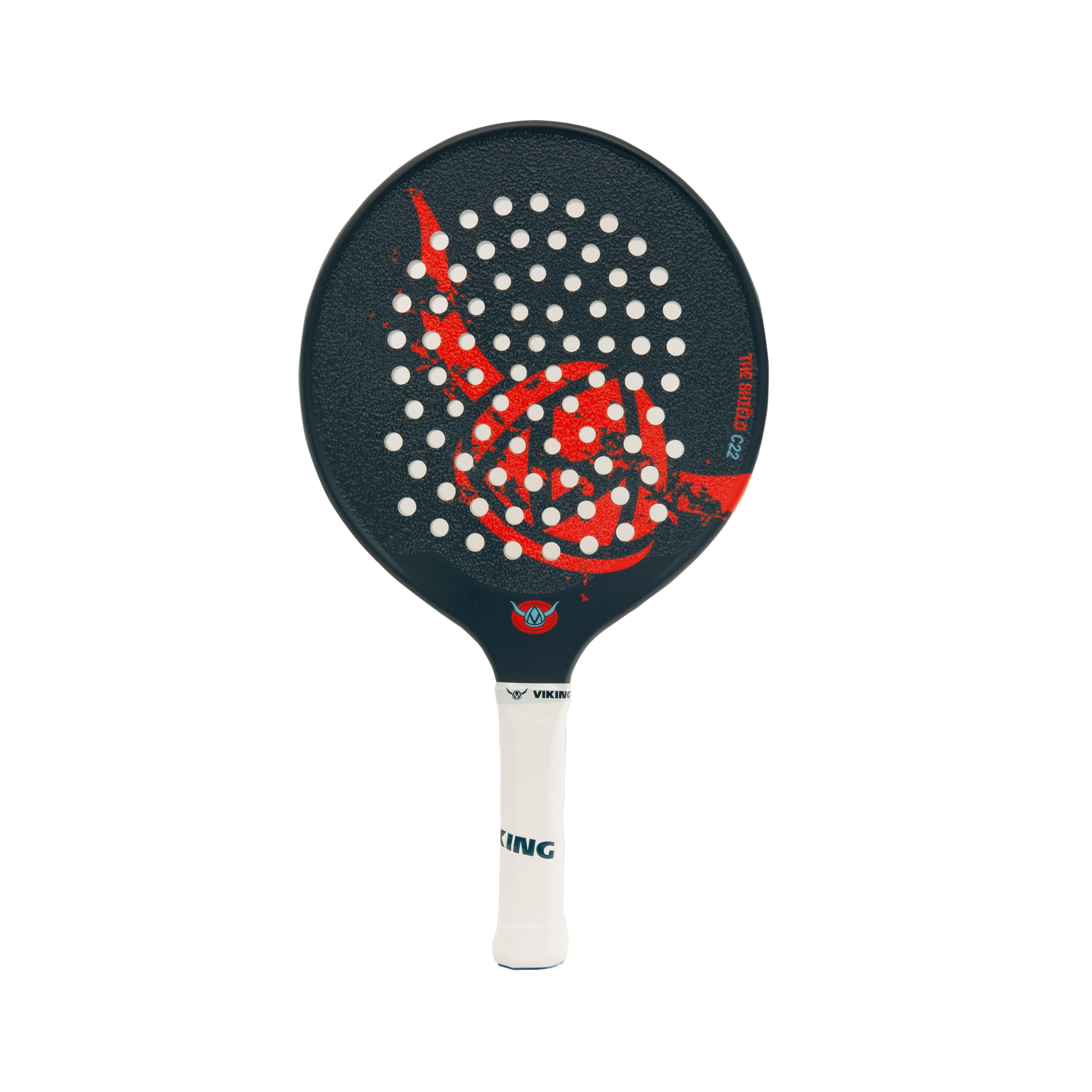
One example is the Viking Shield family, which is designed around a larger hitting area and stability. Viking also offers different core densities across its platform tennis line. In general, a firmer core can give a more controlled response, while a softer core can feel more forgiving and lively. Weight, head shape, and balance also influence how a paddle feels in your hand.
Think of Viking as a strong option if you’d like to choose a model based on its shape, weight, and core, and then head out to play without needing a separate tuning system. That doesn’t mean every Viking model feels the same; it means you make your main setup choice when selecting the paddle.
Master Athletics: a more tunable setup
Master Athletics takes a more adjustable approach with EDGE Technology. Its tuning kits and weighted butt caps let players change a paddle’s weight and balance. That can be appealing if you enjoy experimenting with how a paddle swings or want room to adjust your setup as your game develops. The tuning accessories are sold separately, so factor that in when comparing options.
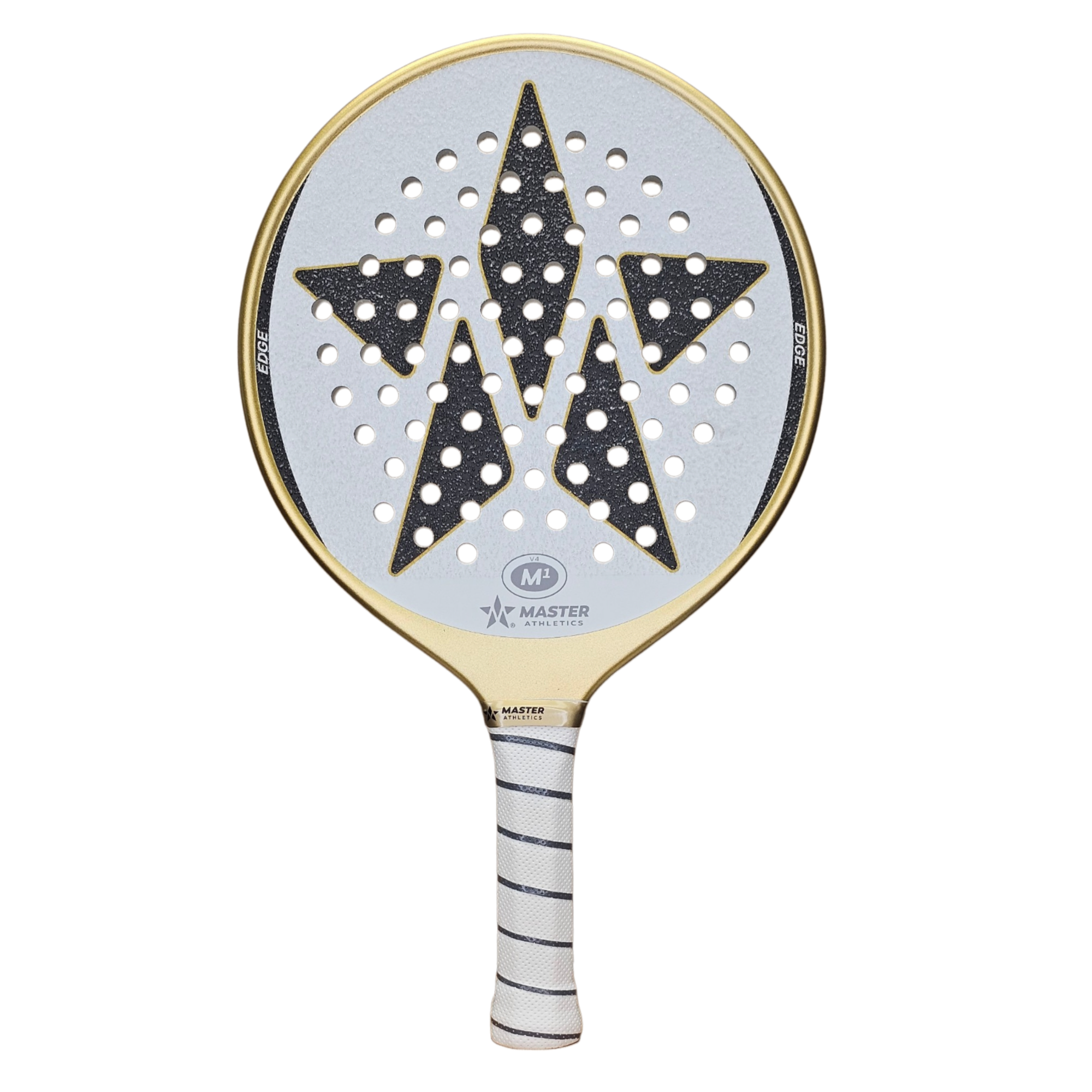
The model names can be a little confusing this fall. The MPro Oval V3, M2 Oval V3, and M1 Oval V3 were part of Master Athletics’ 2025–26-season lineup. In fall 2026, the brand’s newer V4 models are arriving, including M1 Oval V4 and M1 Edge V4. The V4 range uses updated hole patterns; for example, Master describes the M1 Oval V4’s 62-hole pattern as designed to increase hole area, airflow, and spin. The M1 Edge V4 uses an 85-hole high-position pattern and can be customized from its 360-gram starting weight, up to 390 grams. Availability and model names can change, so it’s worth confirming the current season when you shop.
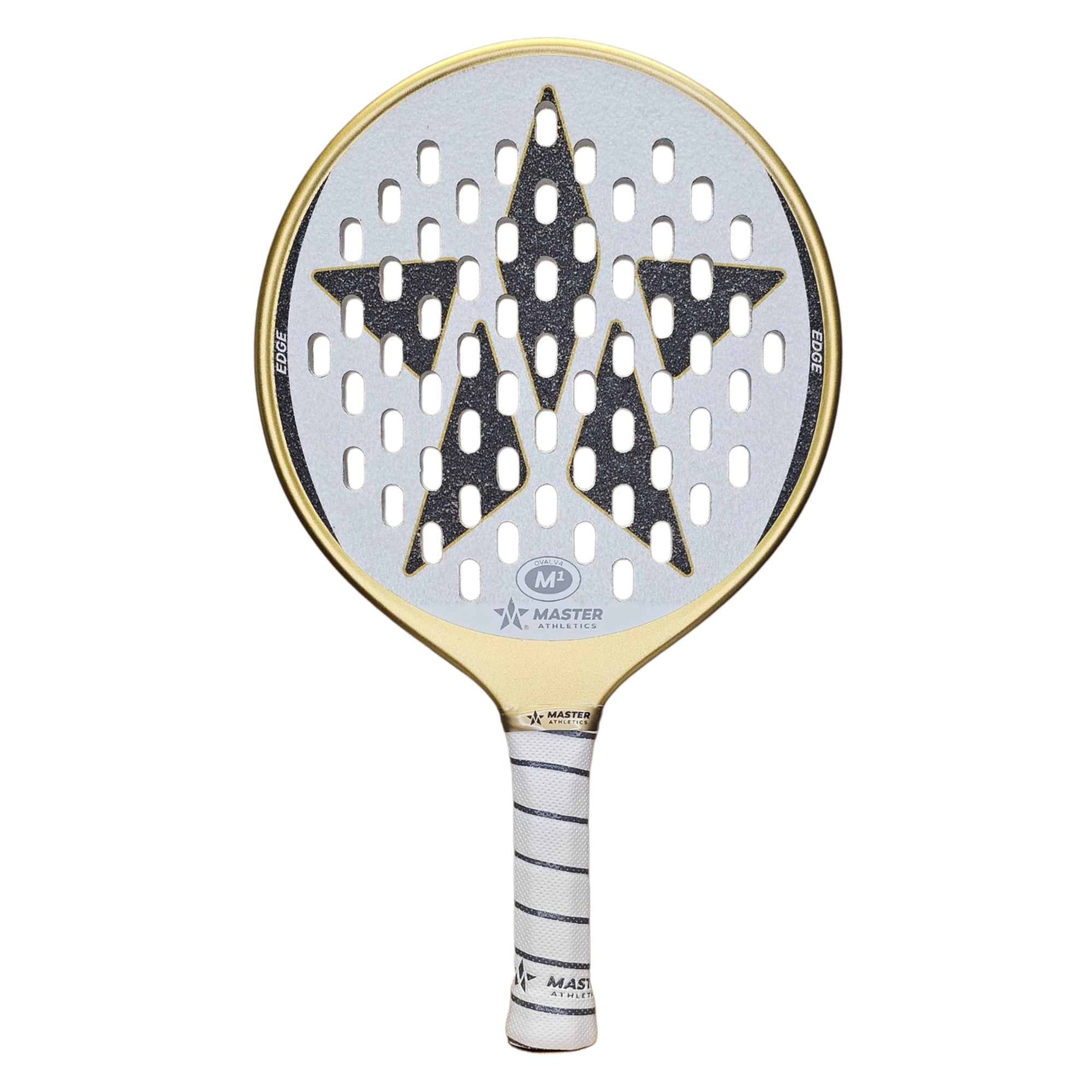
The key difference isn’t that one brand is automatically better. It’s how you want to arrive at your preferred feel: Viking offers a range of ready-made configurations, while Master Athletics gives players a way to tune certain models after purchase. For details on an individual paddle’s weight, core, balance, and tuning options, check the current Master Athletics product listings.
How should you choose?
Start with how the paddle feels, not with a promise of more power or spin.
- Prefer a straightforward selection? Explore Viking’s families and compare the paddle’s weight, shape, and core. A paddle that feels stable and comfortable is a better starting point than one chosen just because it sounds like the most advanced model.
- Want to adjust your setup? Look at Master Athletics EDGE models and consider whether you’d use the tuning options. A tunable paddle gives you choices, but it also means you may need to test and adjust to find your preferred balance.
- New to platform tennis? Prioritize a comfortable grip, manageable weight, and a forgiving feel. You don’t need to start with the firmest or heaviest paddle. Learning the ball, screens, and movement around the smaller court is plenty to work on.
- Upgrading? Think about what you’d like to change. Is your current paddle tiring your arm? Do you want quicker hands at the net? Would you benefit from a different balance or a larger-feeling hitting area? Those answers help narrow the field.
Grip, weight, and cold-weather prep matter
A grip that feels secure can make a real difference, especially when you’re wearing gloves or your hands are cold. The grip should feel comfortable without forcing you to squeeze tightly. If it feels too small, too large, or slippery, ask about grip options before settling on a paddle.
Weight is personal, too. A heavier paddle may feel stable through contact, while a lighter one may feel easier to move quickly. Neither is universally best. If you can, handle a few options and compare how they feel through a simple swing and volley motion. Players managing arm or shoulder discomfort should be especially thoughtful about weight and feel, and seek professional guidance when needed.
For cold-weather sessions, bring layers you can move in, keep a warm layer handy between games, and protect your hands and gear from the elements. Let cold or wet equipment dry before storing it, and follow the paddle maker’s care advice. Small details can help you stay comfortable and focused when the rally heats up.
Get ready for the season with Drop the Racquet
Platform tennis is a great way to keep the Vermont racquet community connected when the weather turns. Whether you’re picking up a paddle for the first time or comparing Viking and Master Athletics models, we’re happy to help you make sense of weight, grip, feel, and current-season options.
Drop the Racquet owner Tom Twitchell is a Certified Racquet Technician and a member of the U.S. Racquet Stringers Association. Tom’s professional racquet background and our team’s product knowledge are here to help players across Vermont make confident equipment choices. Reach out before you visit to ask about current availability, or stop by the shop and talk gear with us.
Drop the Racquet
142 W Twin Oaks Terrace
South Burlington, VT 05403
Shop Phone: 802-951-2344
Tom’s Cell: 802-310-1660
droptheracquet.com